logo
บ้าน

บล็อก เกี่ยวกับ Exploring Inverted Biological Microscopes and Their Uses

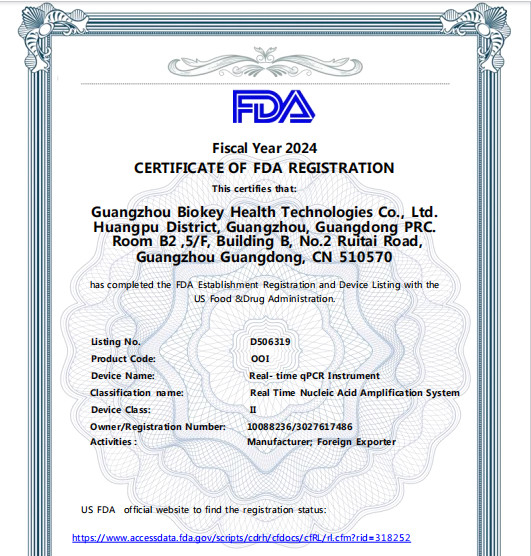
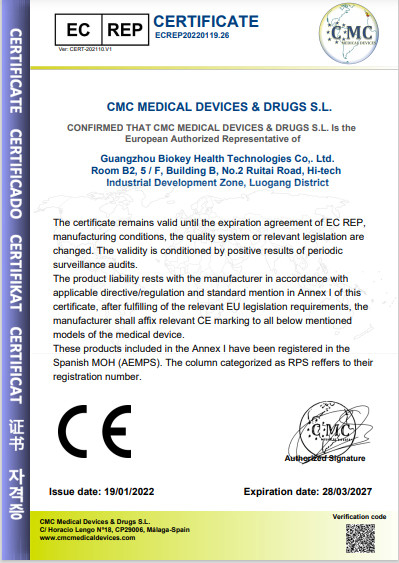
ได้รับการรับรอง
จีน Guangzhou BioKey Healthy Technology Co.Ltd รับรอง
สนทนาออนไลน์ตอนนี้ฉัน
บริษัท บล็อก
Exploring Inverted Biological Microscopes and Their Uses
ข่าว บริษัท ล่าสุดเกี่ยวกับ Exploring Inverted Biological Microscopes and Their Uses

Have you ever wondered how cells grow, divide, or the intricate process of in vitro fertilization? In the exploration of life sciences, researchers often require a special kind of "x-ray vision" that can penetrate the walls of petri dishes to directly observe the dynamic changes in living cells. While traditional upright microscopes frequently fall short of this need, the inverted biological microscope offers a revolutionary perspective for observing microscopic life processes.

What Makes Inverted Microscopes Unique?

As the name suggests, inverted biological microscopes reverse the conventional microscope design. The light source and condenser are positioned above the stage, while the objective lenses are located beneath it. This ingenious configuration eliminates viewing obstacles created by culture dishes, flasks, and other containers when observing live specimens, enabling researchers to conduct high-resolution observation and recording directly within these vessels.

From basic cell culture observation to complex in vitro fertilization (IVF) procedures and cutting-edge fluorescence imaging techniques, inverted microscopes have become indispensable tools in modern biology, medicine, pharmacology, and related fields.

Core Advantages of Inverted Microscopes

The inverted biological microscope has become essential across research, education, industry, and clinical applications due to several key advantages:

  • Effortless Live Cell Observation: The most significant advantage is the ability to conduct long-term dynamic observation of cells directly in their culture environment without sample transfer, minimizing cellular disturbance and ensuring experimental accuracy.
  • Optimized Workflow: The inverted design offers ergonomic benefits, facilitating easier sample placement and adjustment for delicate operations like microinjection and cell separation.
  • Advanced Imaging Capabilities: Beyond conventional brightfield observation, these microscopes can integrate phase contrast, differential interference contrast (DIC), and fluorescence microscopy to reveal intracellular structures and dynamic processes.
  • Broad Application Spectrum: These instruments serve as critical tools in life science research, medical diagnostics, education, and industrial applications ranging from semiconductor defect detection to materials science analysis.
Selecting the Right Inverted Microscope

When choosing an inverted microscope, consider these key factors:

  • Primary Application: Determine whether you need basic cell observation, live cell dynamics studies, fluorescence imaging, or precision micromanipulation capabilities.
  • Resolution Requirements: Select appropriate magnification based on whether you need to observe whole cells or intracellular details.
  • Specialized Techniques: Phase contrast or DIC are essential for transparent samples, while fluorescence capability is needed for labeled specimens.
  • Automation Needs: Consider motorized stages and digital interfaces for time-lapse or 3D imaging applications.
  • Budget Constraints: Prices range significantly from basic to advanced research-grade systems.
Notable Microscope Models

The market offers numerous inverted microscope options. Here are some representative models:

Fein Optic Models
  • iRB20 Digital: Designed for liquid media with phase contrast options and integrated 8MP camera
  • iRB70 Fluorescence: Motorized system with fluorescence for advanced imaging
  • iRB70 DIC: Motorized system with DIC for high-contrast transparent samples
Motic Models
  • PX43 FS6: Optimized for multichannel fluorescence live cell analysis
  • PX43 Bio: Designed for routine live cell imaging with phase contrast
  • AE31 Elite: Reliable choice for general cell observation and teaching
Meiji Models
  • TC-5500 Series: LED fluorescence systems with infinity-corrected optics
  • TC5300: Phase contrast model for unstained live cells
  • TC5100: Economical option for routine cell observation

These powerful instruments continue to advance our understanding of life processes across scientific disciplines. Selecting the appropriate inverted microscope can significantly enhance research productivity and discovery potential.

ผับเวลา : 2026-06-08 00:00:00 >> blog list
รายละเอียดการติดต่อ
Guangzhou BioKey Healthy Technology Co.Ltd

ผู้ติดต่อ: Ms. Lisa

ส่งคำถามของคุณกับเราโดยตรง (0 / 3000)